|
Spatial and Space-ial
Spatial
Tourism changes places
into destinations:
Land --> Landscape
Nature --> recreational
area
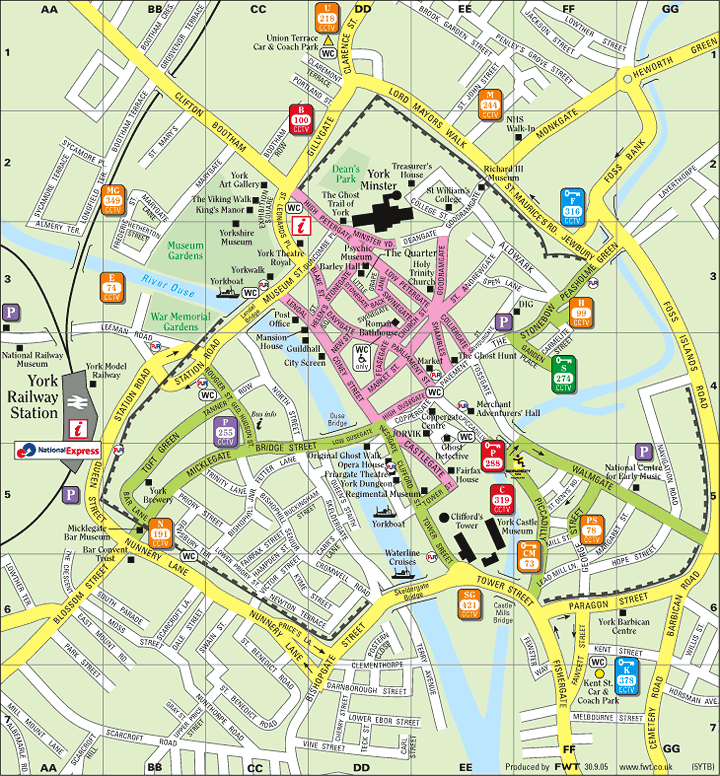
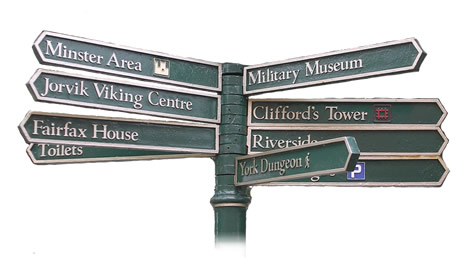
City --> Cityscape
Land --> Landscape
"Land" refers to the physically existing land - for agricultural use, taxation, war
"Landscape" refers to a scenery loaded with aesthetic values and connotations
Landscape (16th c.) from German Landschaft and Dutch Landschap, first used for paintings, then transferred to the physical reality (18th c.)
Tourists do not value a given area according to its value but according to what they have learned in their culture as to be considered as beautiful / picturesque / authentic.
"Natural beauty" is an acquired taste.
Example Gardens
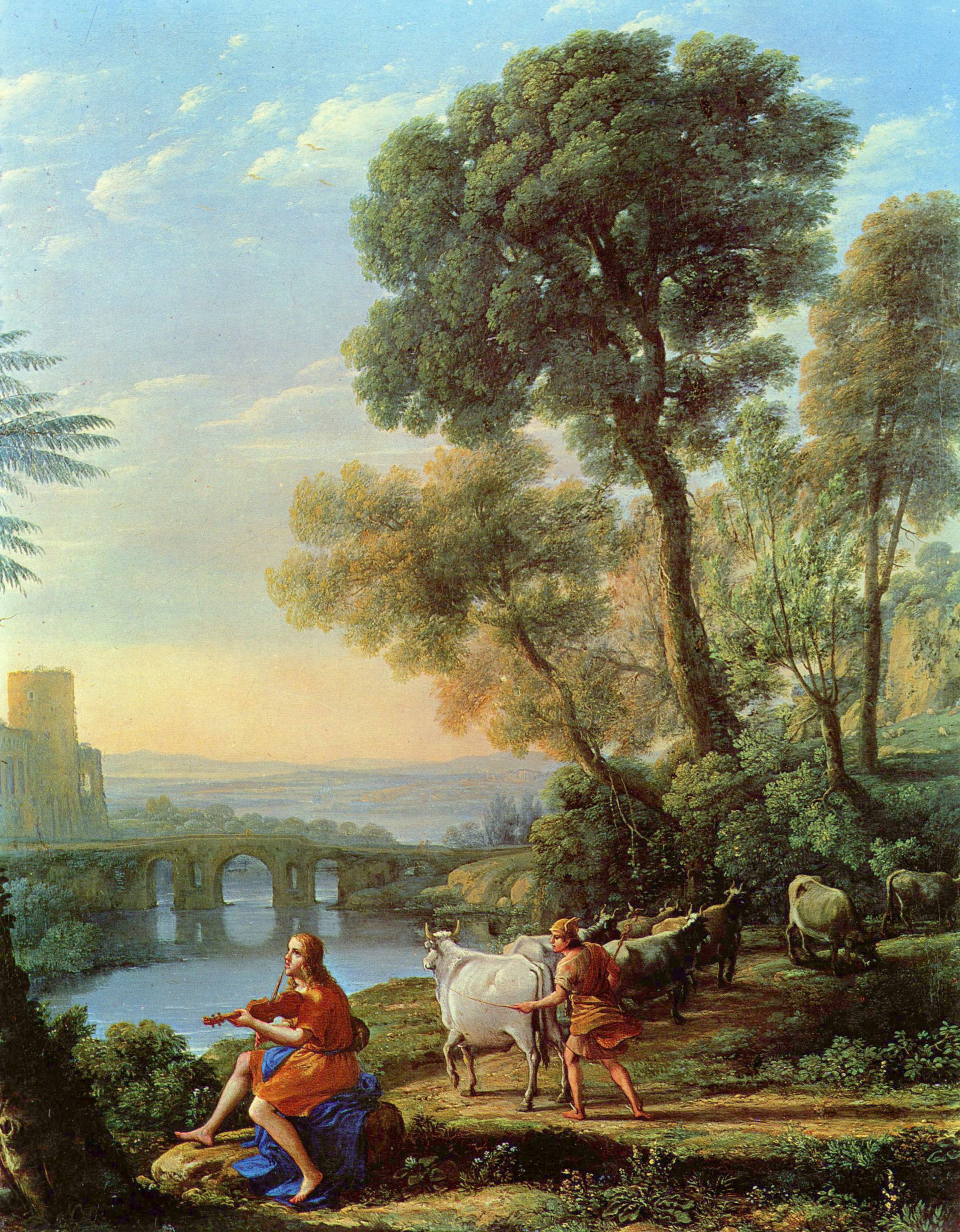
"English Gardens" (from 18th c.) try to look natural, but are in fact completely man-made. Idealized view of nature, inspired by paintings of landscapes by Claude Lorrain and Nicolas Poussin (17th c.).
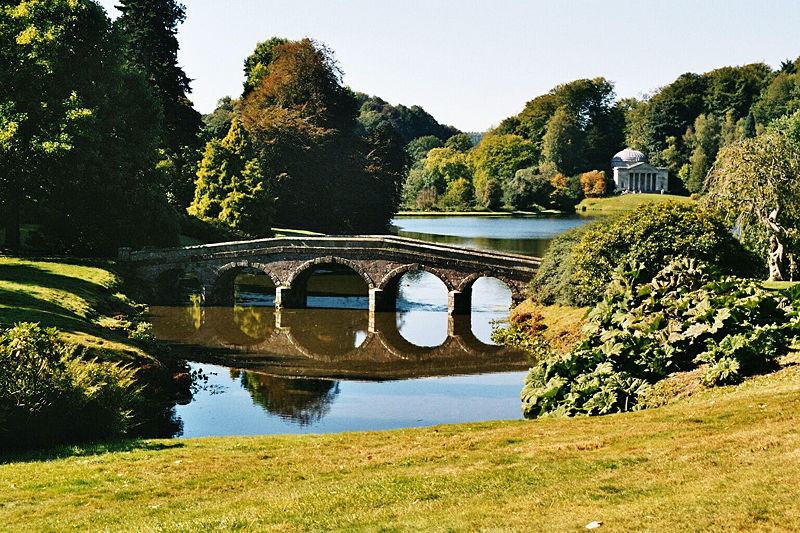
Often include lake, sweeps of gently rolling lawns set against
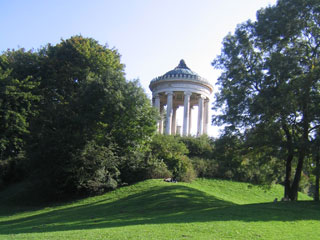
groves of trees, recreations of classical temples,
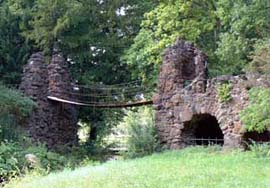
bridges, ruins etc.
Most influential English Garden: KEW (close to London)

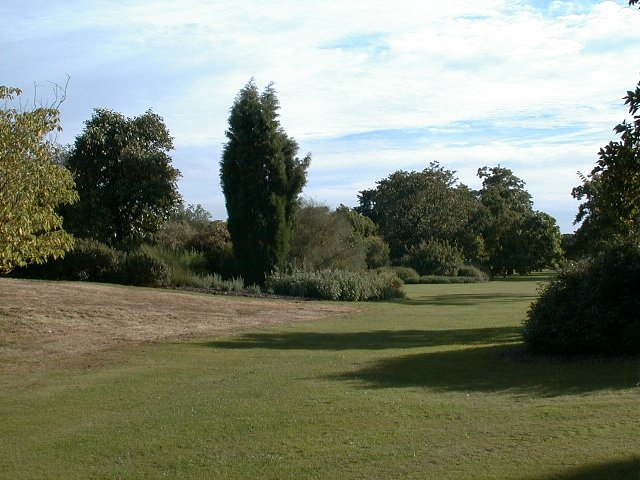
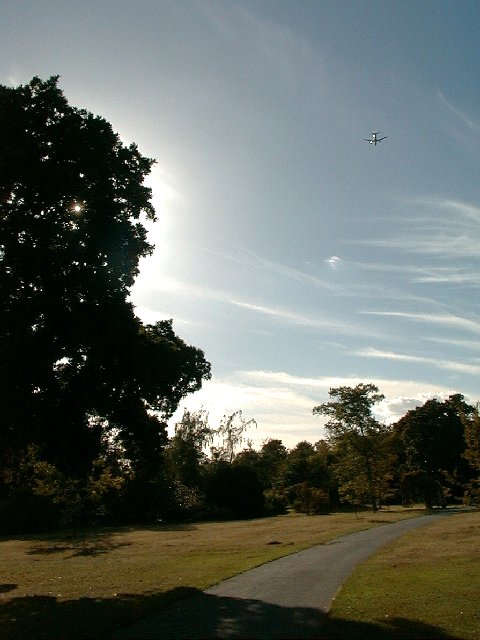
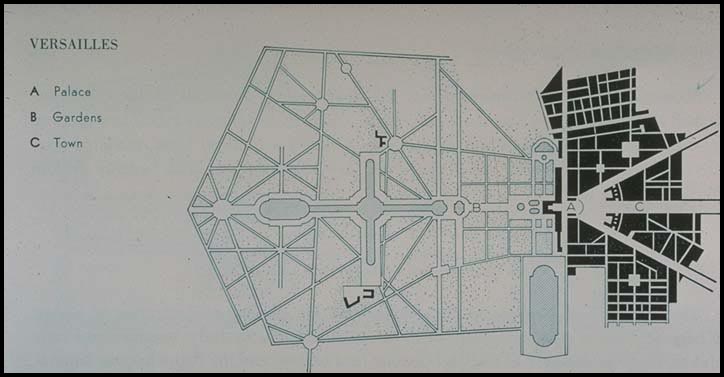
"French Gardens" (from 17th c.) demonstrate the victory of man over nature, with a strict geometrical pattern, a central axis and viewing points showing all of the garden.
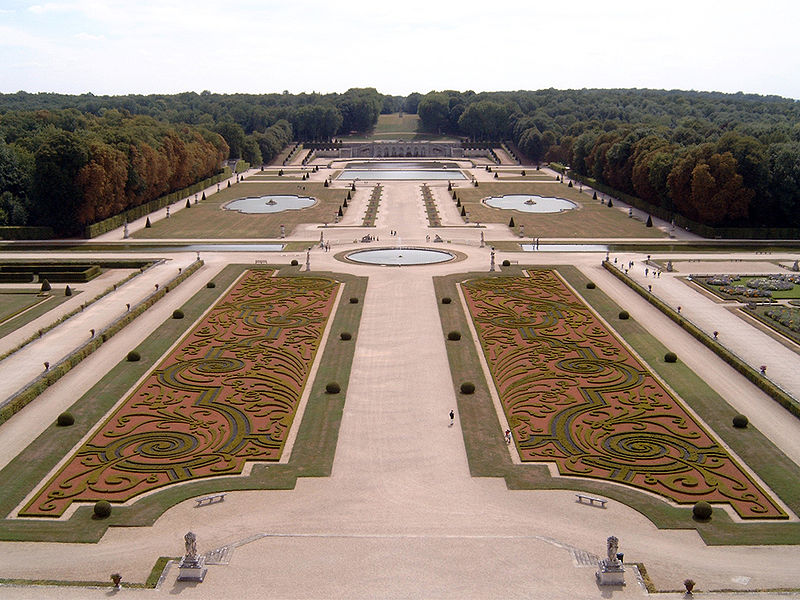
Vaux Le Vicomte - The original French Garden
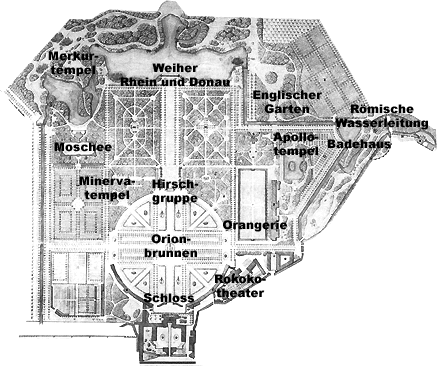
Schwetzinger Schlossgarten - Mixing French and English Garden
Nature --> Recreational Area
Example: Forest Stroll
The idea of "rambling", a nature walk which lasts half a day or so through some forest on Sunday afternoon, seems natural to us.
|
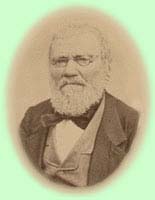
In fact it was invented by M. C.F. Denecourt
in Fontainebleau near Paris in the 1830s.
|
|
With the help of arrows in blue paint he provided promenades solitaires in the royal forest which before seemed inhospitable and impenetrable to urban visitors.
At suitable distances "sights" were placed, brochures describing the walks and special pamphlets for painter were provided and - of course - an outdoor restaurant.
The balance between order and adventure meant that this pastime for urbanites spread rapidly in Europe, helped by the railway and later the automobile, to transform the land around cities into landscapes for "Naherholung".
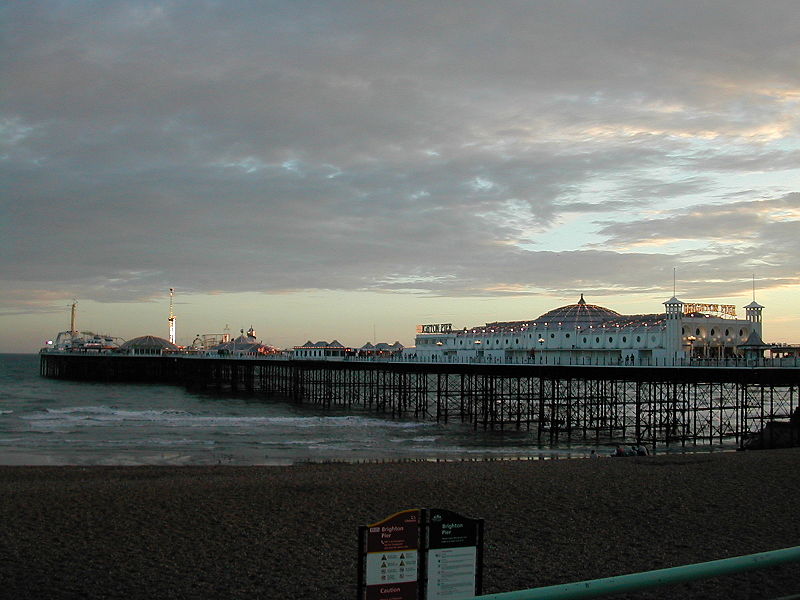
Example: Piers - going into the ocean without getting wet feet.
Brighton Pier - arcades, weddings and corporate functions on the sea.htm
|