|
EVENT Management is a part of Leisure Management
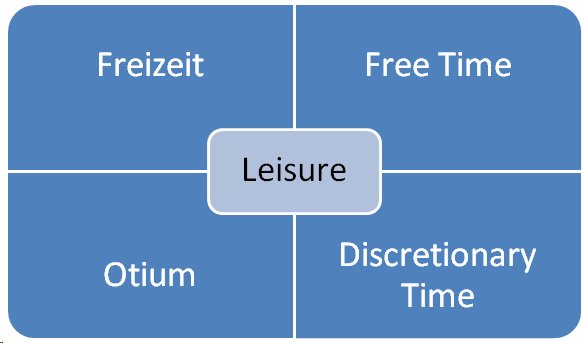
How much time do we spend working for money / not working
for money in our life?
it
Trend: Blending and customization of work and free time in a knowledge-based, IT-connected economy
- across the 24 hour day
- across the week
- across holidays
- across the year
- across the life cycle
The Labour of Leisure
Leisure has always been associated with freedom,
choice and flexibility. The week-end and vacations were celebrated as 'time
off'. Chris Rojek turns this “common knowledge” on
its head to demonstrate how leisure has become a form of labour.
Modern men and women are required to be competent,
relevant and credible, not only in the work place but with their mates,children, parents and communities.
The requisite empathy for others, socially
acceptable values and correct forms of self-presentation demand work. Much of
this work is concentrated in non-work activity, compromising traditional
connections between leisure and freedom. Rojek shows how leisure is inextricably linked
to emotional labour and intelligence. It is now a school for life.
Commodification of Leisure
time -> buying leisure,
also: buying as leisure activity.

Developments in Leisure:
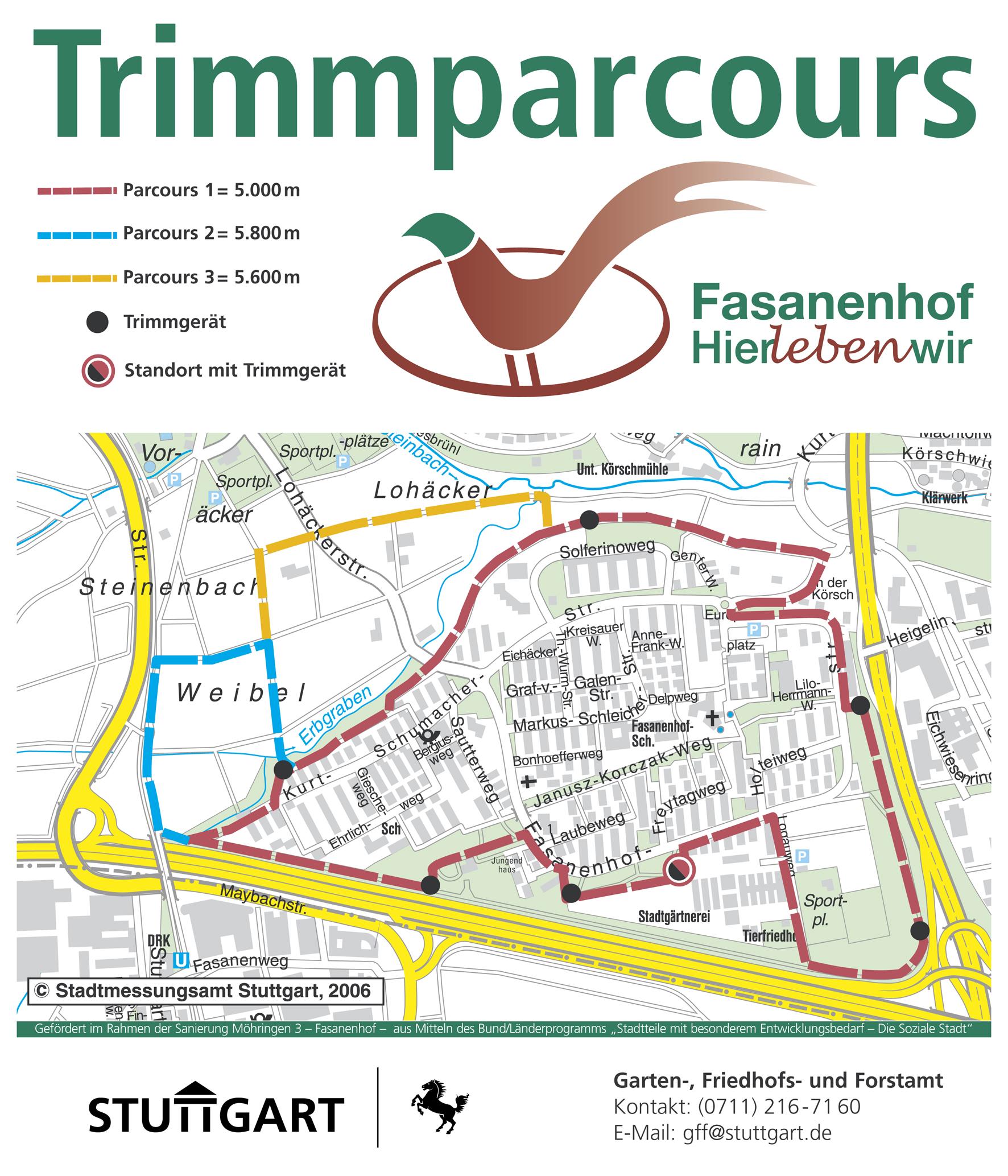
Wandern - Trimm-dich
Pfad - Stepper


Hausmusik - Records - Music
in the Mall
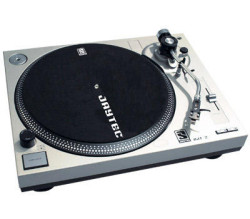
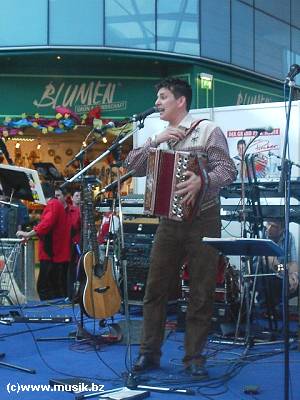
What similar developments can we see in Events?
Rolling Stones concert in Halifax September 23, 2006
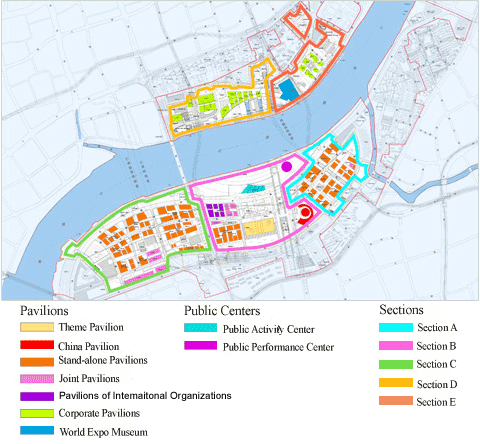
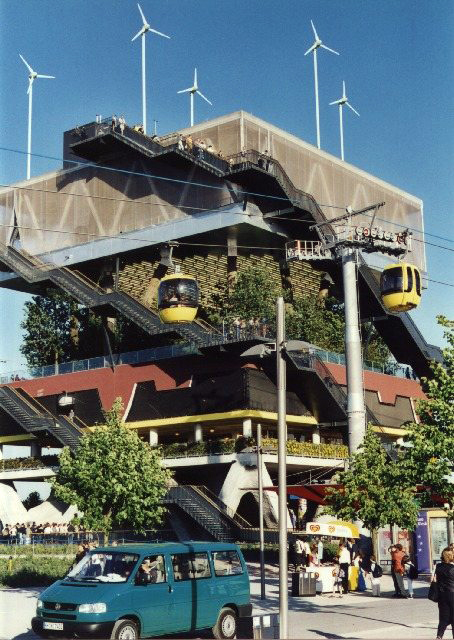
- hallmark events - example: World Expos, Olympic Games
- major events - Example: Kieler Woche

- "traditional" events - Example: Hohnbeer in Heide


Event industry point of view:
Events offer a business arena, where millions of decision-making customers per year interact and engage, face-to-face with brands.
Event attendees choose to be there, making events the truest representation of
‘permission’ marketing available to brands, and one far removed from the intrusive
‘interruption’ marketing alternatives, such TV, radio, Direct Marketing or pop up advertising.
Events offer multi-sensory marketing; the only business environment where customers can see, touch, hear, smell, even taste the product.


Fairs: Example ITB
Fairs have a long tradition as trading and information platform. Even in times of Internet they are still important for B-2-B meetings.
For B-2-C communication they are however loosing importance.
Difference between other events and fairs:
- Regular date (usually annually)
- often long tradition:
Leipziger Messe since 1165, Scarborough Fair (England) since 1161
- connected to certain place/city (today sometimes exported or virtualized)
Example Exhibitors' interests: FH Westküste at ITB
20 sqm stand at "Science Hall".
Goals of participation:
|
Auftraggeber und Unterstützer:
- FHW
- Institut für Management und Tourismus (IMT) an der FHW
- COTRI China Outbound Tourism Research Institute an der FHW
- Förderforum FHW
Ziele:
Messeteilnehmer in Deutschland laut AUMA:
| Quantitative Ziele der
Messebeteiligung |
|
| Bekanntheit steigern |
90
% |
| Neukundengewinnung |
92
% |
| Präsentation von Produkten / Leistungen |
85 % |
| Stammkundenpflege |
88
% |
Umsetzung - Ziele Messeteilnahme FHW an ITB:
Bekanntheit steigern:
- Region Westküste S-H, FHW und Institute allgemein durch Stand, PR, Aktionen
- Studiengänge FB Wirtschaft insbesondere
Neukundengewinnung:
- Studiengänge: Neue Studierende, neue Praktikumsgeber, zukünftige Arbeitgeber, zukünftige Lehrkräfte/Professoren
- Institute: Neue Aufträge (Forschung/Beratung)
Präsentation von Produkten / Leistungen:
- Studiengänge: Studienmöglichkeiten, bisherige Achievements (z.B. wo arbeiten heute Absolventen), Mitgliedschaften (z.B. ITM bei ATLAS)
- Institute: Publikationen (z.B. IMT-Schriftenreihe, COTRI-Produkte)
Stammkundenpflege:
- Studiengänge: Ehemalige, S-H Ministerium und Institutionen, aktuelle Studierende
- Institute: Bisherige Auftraggeber, Partner
|
Public organisations events: Example Anniversary of an university
Not-for-profit organisations like universities have no direct, but indirect communication needs.
Example Durham:
"Durham University's 175th anniversary gave us the opportunity to recognise the University's successes over the past 175 years, to celebrate the contribution of students, staff and alumni, and to communicate a shared vision of the future with the wider community."
Compare the possible goals of participating at a fair with
organising an university anniversary.
|